Historic and older buildings are grandfathered into a handful of preexisting building codes and fire codes. This is for preservation and to minimize the scope of upgrades and renovations. Getting many historic buildings up to code would require ground-up rebuilding, which is why exemptions and modifications are available. Understanding these concessions is essential for successful fire watch in older buildings, as the scope and knowledge required for reducing risk vary greatly.
With the increase in hybrid offices and working from home, many commercial buildings are being rezoned as residential and mixed-use buildings. Renovations in Denver’s historic buildings must meet relevant preservation standards and have vastly different fire safety standards. When the need for fire watch arises, a trained and certified professional understands how to adjust monitoring for your building’s unique specifications.
1. Extended Hot Work Monitoring
In modern buildings, hot work monitoring and patrols must be continuous, and patrols must continue for 30 to 60 minutes after hot work is complete. In older buildings with cellulose insulation, monitoring must continue for 3 hours after welding, grinding, and other smoke-inducing, spark-inducing, or hot work is complete.
2. Adjusted Monitoring
In newer buildings, sparks, smoke, and fire travel through obvious places, such as HVAC vents, stairwells, and cracks. In buildings built pre-1940s, there are hidden voids behind the walls and underneath the floorboards. This is because the wall studs run continuously from the foundation to the roof and side to side without modern-day fire blocks. As such, fire watch in older buildings must rely more on smell than sight. It may also be worth investing in thermal imaging tools to view heat behind wood paneling. With or without thermal imaging, you may want to dispatch extra monitors and ensure the basement and attic (even if unfinished) are included in patrols.
3. Administrative Modifications
In some instances, you can apply for Administrative Modifications (AM) approved by a licensed fire protection engineer. Commonly approved modifications are below, but they’re approved on a case-by-case basis.
Open Staircase
Historic buildings with grand and open staircases are stunning. However, modern buildings must have enclosed staircases that minimize the spread of smoke and fire. Enclosed staircases are also safer during emergency evacuations.
Instead of rebuilding vintage staircases or adding fire-rated glass walls, you could request a modification that includes fire-rated curtains, enhanced fire detection, and hiring certified fire monitors daily or during all large and public events.
Hand-Carved Wood Doors
The current fire code requires fire-rated steel doors. If your building has its original hand-carved wood doors, you may request a modification. This might include keeping some of the original doors (if not all), installing automatic door closers, and applying fire-expanding coating. You may also need to dispatch firewatchers for all large and public events.
Ornate Ceilings
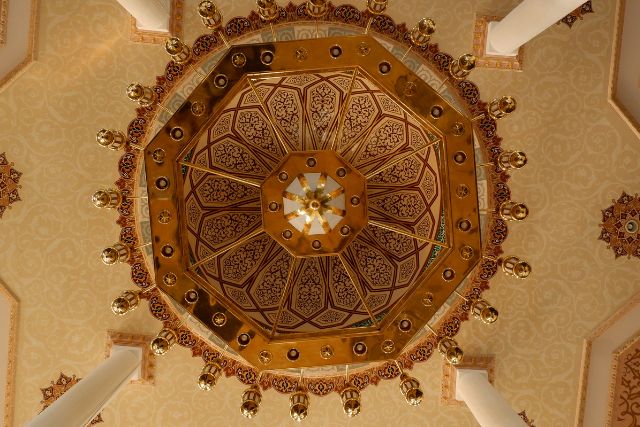
Commercial buildings need to install ceiling-mounted fire sprinklers at least every 15 feet. Installing sprinklers in historic buildings with hand-painted, tiled, or ornate theater, ballroom, or building ceilings is an eyesore. To maintain history, culture, and ambiance, you may request a modification to install side-wall sprinklers with water mist systems in some or all ceilings. You may be required to dispatch certified fire safety personnel for all large and public events.
Read More:
- New Construction Fire Safety Beyond Fire Suppression Systems
- Why Dispatch Dual-Trained Fire Watch Security Guards
- 4 Times to Dispatch Daily Fire Watch
- Server Room Fire Watch in Denver
- Fire Watch Patrol Frequency in Denver and The Springs
Certified Fire Watch for Older Buildings in Denver
Scout Security dispatches fire guards trained and certified in preventing, detecting, and responding to smoke and fire. Provide us with your fire safety plans, list of administrative modifications, and building-specific fire risk factors so we can tailor your monitoring and patrol.
Preschedule us or call 24/7 for hot work, large events, or anytime fire monitoring is required in your historic building!