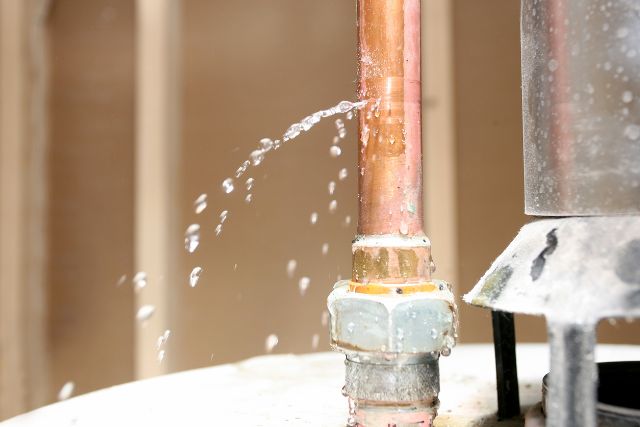
A burst pipe is rarely a quick and easy fix, and it’s the top cause of winter fire watch in Denver. When pipes burst, the water must be shut off to minimize flooding and water damage, leaving your commercial building, business, or residential property vulnerable. Best-case scenario, an easily accessible pipe is replaced in a few hours. Less accessible pipes can take days to repair.
In addition to the water line, your contractor must identify and resolve why your lines froze or burst, and complete restorative repairs to the drywall and areas they had to remove to access the pipes. This is timely, costly, and for the most part, avoidable.
For standard maintenance and repairs, you must obtain a fire watch permit in Denver when your water is out for more than 10 hours in a 24-hour period. There are exceptions to this rule, as you must file for a permit and begin immediate monitoring for waterline interruptions. This includes a burst pipe, water main break, or main valve shut-off.
When and Why Water Lines Freeze
The top cause of frozen water lines is trapped water or condensation combined with extreme cold. Frozen water expands, shattering pipes and fittings. Even dry-pipe sprinkler systems can shatter, especially in unheated areas, such as parking garages, warehouses, utility rooms, basements, and exterior pipes. Pipes that are clogged or slow-draining due to grease build-up, soap scum, toilet paper, and foreign objects are more likely to burst as water flow is restricted.
Lines are more likely to freeze when temperatures reach 20°F or lower. Unheated interior spaces typically don’t fall below 20°F unless the surrounding insulation or seals are compromised. When a pipe bursts, shut off the water supply, activate damage control, and immediately apply for a fire watch permit and begin monitoring.
Dry Sprinkler Systems Freeze Too
Your water lines aren’t the only pipes at risk for bursting in the winter. Condensation is often mixed in with the air and nitrogen in dry-pipe sprinklers. So, in addition to winterizing your water lines, your maintenance manager or third-party contractor must inspect and maintain your dry sprinkler system.
Quick Tips for Minimizing Burst Pipe Risk
- Create comprehensive seasonal, monthly, weekly, and daily maintenance checklists tailored to your building. In the winter, this includes inspecting insulation, seals, doors, windows, and other areas where cold air can seep in.
- Complete your winter maintenance and repairs mid-September before the first snowfall.
- Test the air compressor monthly to prevent a trip.
- Maintain pitch in both wet and dry lines that allows water and condensation to flow toward the drain.
- Check the drain drum drips daily when temperatures fall below freezing, and weekly during the winter.
- Check the riser room temperature daily when temperatures fall below 40°F.
Read More:
- Unique Consideration For High-Rise Fire Watch
- The Critical Role of Temporary Fire Watch
- How to Set Your Fire Monitor Up For Success
- 3 Times Your Team Can’t Perform Fire Watch
- Third-Party Fire Watch For Healthcare Centers in Denver
Winter Fire Watch in Denver
Pipes typically burst after hours, leaving you and your team scrambling to mitigate damage, clean up the water, and begin fire patrols. That’s in addition to maintaining daily operations, if you can.
Scout Security is here to ease your burden by dispatching 100% compliant winter fire watch in Denver and The Springs. You can call us 24 hours a day or add our number to your emergency contact list.